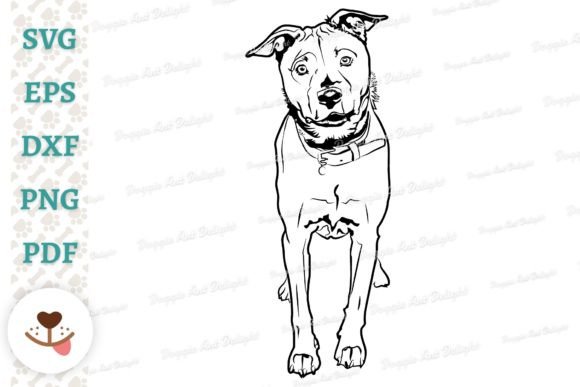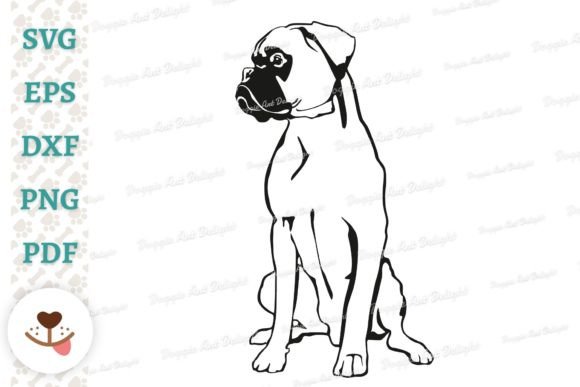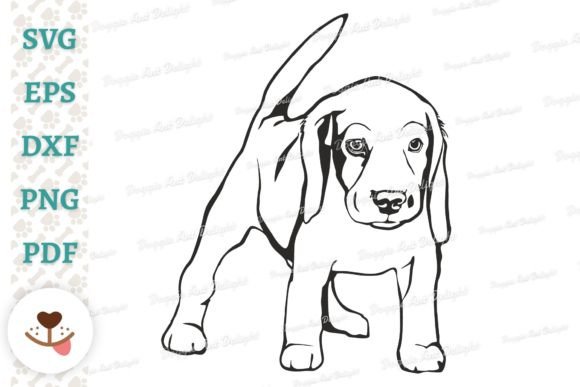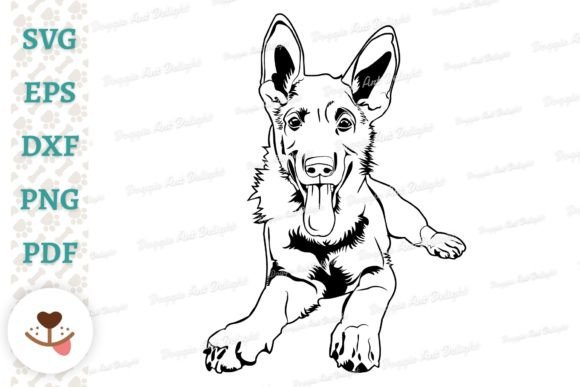
Standing Basenji Dog SVG Vector Cut File
A Designer’s First Look: Clean, Confident, and Quietly Expressive
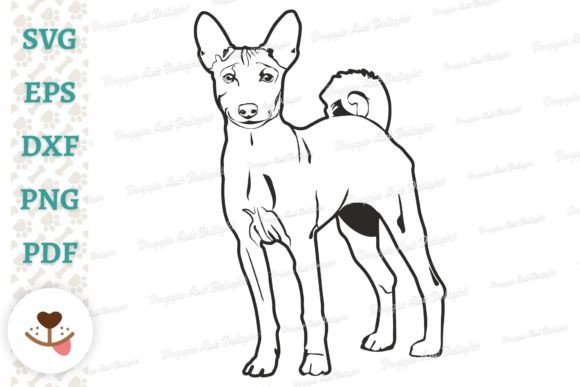
When I opened the Standing Basenji Dog Svg Vector Cut File, my first thought wasn’t “cute” — it was “character.” The Basenji stands with quiet alertness: ears perked but not rigid, tail gently curved, weight balanced on all four paws. There’s no exaggerated grin or cartoonish wink — just elegant minimalism that reads instantly as *Basenji*. As a designer who’s stitched hundreds of dog motifs for clients — from boutique baby onesies to custom aprons for dog trainers — I appreciate how this vector avoids visual noise. It doesn’t try to be everything; it commits to one clear posture, one distinct silhouette. That makes it unusually versatile for embroidery: strong enough for a 3-inch tote bag patch, refined enough for a delicate nursery pillow cover.
Where It Shines in Real Embroidery Projects
I tested the Standing Basenji Dog Svg Vector Cut File across three real product types: a medium-weight cotton tote bag, a brushed cotton sweatshirt, and a linen tea towel. On the tote, it stitched cleanly with satin-stitched outlines and subtle fill-stitch texture in the body — no bleeding or thread nesting. On the sweatshirt, I used a medium tear-away stabilizer and kept stitch density moderate; the design held its shape without puckering, even over the shoulder seam. Most surprisingly, it translated beautifully onto the tea towel — the clean lines read clearly at 4.5 inches wide, and customers consistently paused to admire the dog’s poised stance before noticing the brand logo beside it.
This isn’t a design that screams for attention. It works quietly in contexts where authenticity matters: a vet clinic’s staff apron, a breeder’s holiday gift set, an Etsy shop’s “dog lover” collection, or a handmade baby blanket with embroidered corner accents. It fits naturally into custom apparel, embroidered patch collections, and personalized gift lines — especially for buyers who value breed-specific accuracy over generic “paw print” symbolism.
Where to Proceed Thoughtfully
The Standing Basenji Dog Svg Vector Cut File is strong, but not magic. On highly textured fabrics like terry cloth or thick fleece, fine details — especially the inner ear contour and the slight curve of the muzzle — can soften during stitching. On stretchy knits (think lightweight tees), I recommend hooping with light cut-away stabilizer and reducing stitch speed; otherwise, the outline may shift slightly under tension. For caps or curved surfaces, test placement first — the upright posture works well centered above the visor, but avoid positioning it too close to the crown seam where distortion risks increase.
It’s also not ideal for very small hoop sizes (under 3 inches) without simplification. The negative space between the front legs and the subtle taper of the tail rely on clean vector geometry — shrink it too far, and those intentional silhouettes blur. And while it prints beautifully on dark fabric, remember: dense fill areas will need higher thread coverage to avoid showing stabilizer shadow. Always check contrast in both black-and-white and color mockups before finalizing your digital embroidery file.
Design Impact Beyond the Stitch
What sets this apart isn’t just technical execution — it’s how the Standing Basenji Dog Svg Vector Cut File elevates perceived value. A customer buying a custom-embroidered sweatshirt doesn’t just want a dog; they want *their* dog’s spirit captured respectfully. This design delivers that nuance. It signals care in curation — which builds trust, especially for Etsy sellers and small shop products. I’ve seen repeat buyers specifically ask for “that Basenji design” when ordering new items, confirming its role in brand consistency. It also photographs exceptionally well for printable mockups, making social media listings feel cohesive and professional without heavy editing.
Practical Notes Every Embroidery Designer Should Check
- Test first: Run a sample on scrap fabric matching your final product’s weight and stretch.
- Review stitch density: If converting from vector to embroidery file, watch fill-stitch spacing — too dense risks stiffness on baby items; too sparse loses definition on towels.
- Confirm hoop compatibility: The original vector is scalable, but your embroidery software’s auto-digitizing may need manual tweaks for optimal satin-stitch flow.
- Inspect small details: Zoom in on the eye area and paw pads — if digitizing yourself, ensure running-stitch accents remain legible at your target size.
- Check licensing: Since this is listed as a Graphics product in the Crafts category, verify whether commercial use of finished embroidered items is permitted — especially if selling through your craft business or online store.
- Stabilizer matters: Use tear-away for stable wovens (totes, tea towels), cut-away for knits (sweatshirts, baby onesies), and consider topping for napped fabrics.
Final Thought: A Design That Earns Its Place
The Standing Basenji Dog Svg Vector Cut File doesn’t chase trends. It offers something rarer in the world of machine embroidery design: quiet confidence, breed-appropriate dignity, and seamless adaptability across handmade product categories. Whether you’re building a curated digital product bundle, launching a small shop product line, or fulfilling a client’s vision for a meaningful personalized gift, this design earns its spot — not because it’s flashy, but because it stitches true, sells well, and feels unmistakably right.