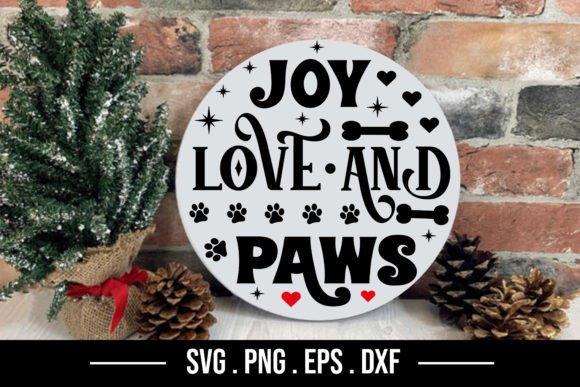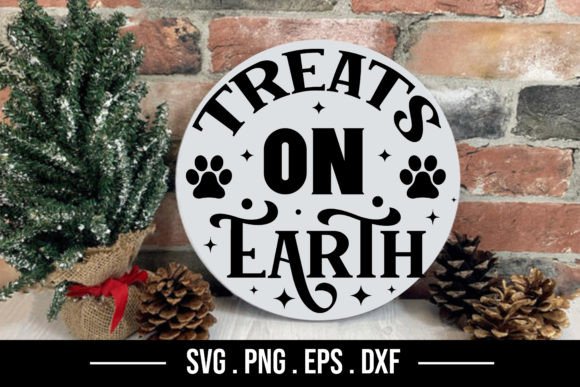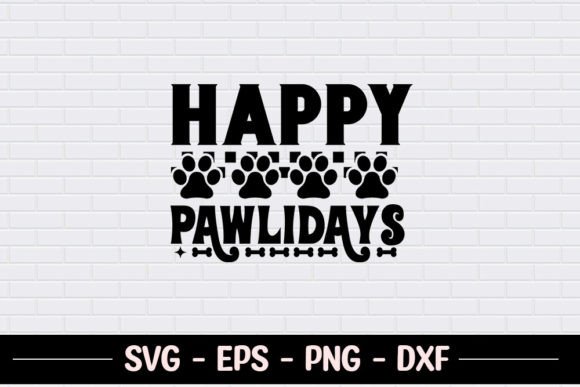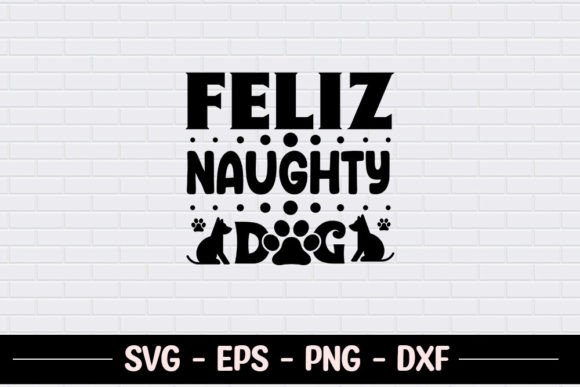
Furry Bright - Christmas Dog SVG
A Designer’s First Look: Cheerful, Clear, and Craft-Ready
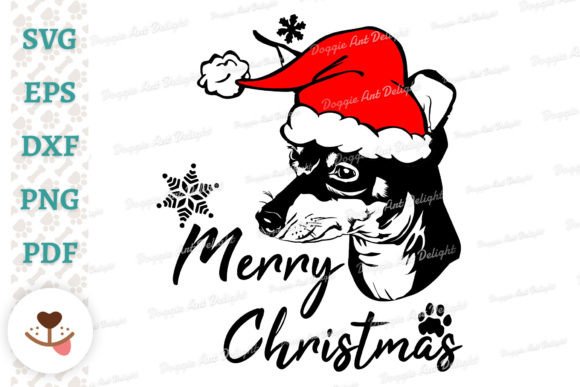
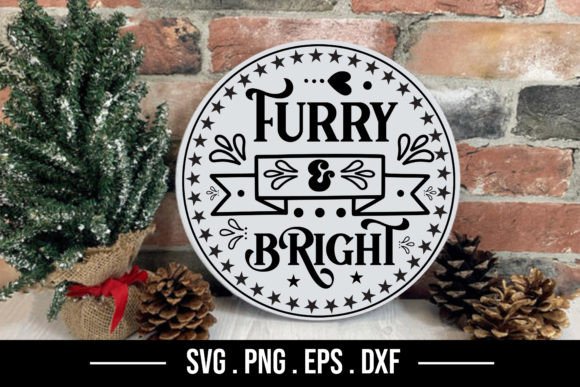
Opening the Furry Bright - Christmas Dog SVG ZIP file feels like unboxing a well-organized holiday gift—no clutter, no mystery. Inside: EPS, SVG, PNG, DXF, and high-quality graphics. As someone who tests embroidery files daily for client work and small-batch production, I immediately scanned the preview images—and smiled. This isn’t a generic cartoon pup with tinsel glued on. It’s a friendly, slightly whimsical dog wearing a red-and-green scarf, one paw lifted like it’s waving “Merry!” The outline is clean, the proportions balanced, and the festive elements (antlers? check. Tiny bell? yes.) are integrated—not tacked on. It reads as a cohesive machine embroidery design, not just a clipart-style graphic.
Where It Shines: Real Projects That Feel Handmade, Not Mass-Produced
Last week, I used Furry Bright - Christmas Dog SVG to embroider a set of organic cotton baby onesies for a boutique launch. The result? Warm, joyful, and unmistakably personal. That’s the sweet spot: this design thrives where charm matters more than complexity. Think custom apparel for pet lovers—sweatshirts with a single chest placement, linen tea towels for holiday hostess gifts, or twill aprons for bakeries running seasonal specials. It works beautifully as an embroidered patch (I stitched it onto denim tote bags with a satin-stitched border), and holds up cleanly on lightweight knit caps—though I’ll get to that caveat in a moment.
The layout is smart for small business use: centered composition, moderate width-to-height ratio, and no ultra-thin connectors or floating elements that fray under stitching. For Etsy sellers and craft business owners, that means fewer customer questions about “why does the tail look fuzzy?” and more five-star reviews about “so cute on my kid’s stocking!”
What to Watch For: Texture, Scale, and Fabric Behavior
This isn’t a design that forgives every surface. On highly textured fabrics—like thick terry cloth towels or nubby bouclé blankets—I recommend simplifying the fill stitch density or using a light tear-away stabilizer underneath. The dog’s fur texture is suggested through subtle line work, not dense fill, which is wise—but it also means those lines need breathing room. On stretchy fabric (think ribbed baby bodysuits or lightweight jersey tees), skip direct hooping. Use cutaway + topping, and test stitch first. I ran into slight puckering on a soft fleece sweatshirt until I adjusted the underlay and reduced jump stitches manually.
Small hoop sizes (hoop size under 4”x4”) are doable, but only if you’re okay with trimming some of the scarf’s flow or omitting the tiny bell detail. The full charm lives in the complete version—so for personalized gift items like pillow covers or nursery decor, go standard 5”x7” or larger. And while the digital embroidery file includes crisp vector formats, remember: SVG alone doesn’t stitch. Convert thoughtfully—especially if layering with appliqué or combining with text.
Stitching Clarity & Customer Trust Go Hand-in-Hand
Here’s what surprised me: how much Furry Bright - Christmas Dog SVG elevates perceived value. A plain red sweater becomes a keepsake when this dog appears, clean and confident, right over the heart. Customers don’t see “SVG file”—they see intention, care, and seasonal warmth. That builds trust, especially for handmade product buyers who scroll past mass-printed alternatives. I’ve seen this design boost engagement in Instagram mockups—especially black-and-white versions on cream linen, where the contrast makes the shape sing without relying on color.
That said, thread color choice matters. The design’s friendly personality dims on dark fabric unless you pick high-contrast threads (ivory on navy, gold on charcoal). I tested it on a black canvas tote with metallic gold thread—lovely, but required extra stabilizer to prevent shine bleed. For commercial embroidery, always confirm your thread palette aligns with the brand’s voice before committing to bulk runs.
Practical Notes Every Embroidery Designer Should Run Through
- Test first—on scrap fabric matching your final project’s weight and stretch.
- Review stitch density in your embroidery software; adjust fill angles if needed for smoother coverage on curved surfaces like caps.
- Confirm licensing before selling finished items or bundling the embroidery file as part of a digital product. The listing says “Graphics,” but verify commercial use rights.
- Inspect small details at 200% zoom: the bell, scarf fringe, and paw pad lines should hold integrity at 3–4 mm height.
- Use proper stabilizer: medium cutaway for knits, tear-away for stable wovens, and topping for napped fabrics.
- Check both light and dark backgrounds in your printable mockup—this design gains versatility when it reads clearly in monochrome.
- Compare with your brand palette—does it support your shop’s aesthetic, or does it feel like a holiday add-on?
Final Thought: A Reliable Spark, Not a One-Size-Fits-All Firework
Furry Bright - Christmas Dog SVG won’t replace your go-to monogram or intricate floral motif—but it fills a real gap in the Crafts category: a joyful, stitch-smart, commercially viable holiday design that looks handmade, not templated. It’s the kind of design assets that helps a small shop owner say “yes” to last-minute custom requests, lets an Etsy seller refresh their holiday collection without redesigning from scratch, and gives a hobbyist confidence that their first embroidered baby blanket will land with warmth and clarity. It’s not flashy. It’s friendly. And in the world of embroidery project realism—that’s exactly what makes it valuable.